
Magic & Combat
1666: Amsterdam magic and combat guide — Noa's Zaindaris witchcraft, approaching targets multiple ways, timing your strikes and surviving the Esbat.
Introduction
Magic and combat in 1666: Amsterdam are rooted in Noa's identity as a witch of the Zaindaris. She commands witchcraft and spellcasting handed down through generations, and it is the tool she uses both to investigate and to fight. The signature of the combat is the Esbat — the full-moon ritual where marked Originals are forced into their true form and confronted directly. Each target can be approached in multiple ways, so strategy and timing matter more than raw aggression. Because the game enters Early Access on August 25, 2026, detailed spell lists and combat tuning are still being finalized, so our magic and combat pages combine official information with clearly-labeled pre-launch analysis.
Combat Pillars
| Pillar | Type | How It Works |
|---|---|---|
| Zaindaris Witchcraft | Magic | Spells passed down through generations |
| The Esbat | Ritual | Confront true forms under the moon |
| Multi-Approach | Strategy | Each target approached multiple ways |
| Aaron's Flair | Combat | Four paws and a second playstyle |
Combat Foundations
Zaindaris Witchcraft
Noa's inherited spellcasting — the tool she uses to investigate hidden truths by day and confront Originals at the Esbat. A heritage passed down through generations of the Zaindaris.
The Esbat
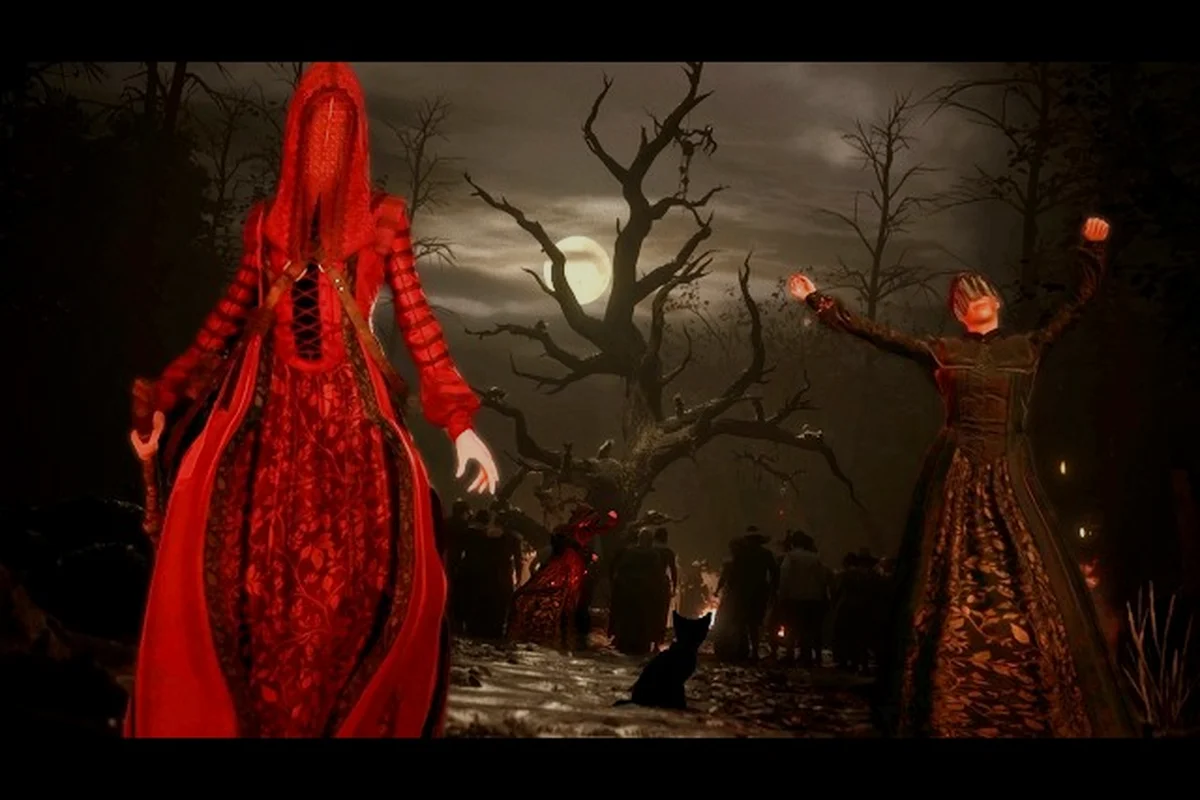
The full-moon ritual where Originals reveal their true form. The game's signature confrontation — strategy, timing and preparation decide how the battle unfolds.
Multi-Approach Encounters
Each target can be approached multiple ways. Direct confrontation, stealth or a timing-based strategy are all on the table, making encounter design flexible and replayable.
Aaron's Flair
Four paws and flair — Aaron's combat style is a deliberate alternative to witchcraft. Switching to the cat from 1999 changes how encounters unfold.
Core Mechanics
The mechanics of magic and combat in 1666: Amsterdam center on witchcraft as a flexible toolkit. Noa's spells, inherited from the Zaindaris, are used during investigation to reveal what is hidden and during the Esbat to confront what is revealed. The encounter structure is built around approach: each target can be tackled multiple ways, so you can choose a direct confrontation, a stealthier route or a strategy built on timing. The second playable hero, Aaron, adds a combat alternative — four paws and flair that move through encounters differently than witchcraft. As of the pre-launch period, the exact spell list and combat tuning are not fully disclosed, so the confirmed framework is paired with reasonable inference from trailers and feature videos.
Advantages
Understanding magic and combat ahead of Early Access helps you make the most of every encounter. Knowing that each target can be approached multiple ways changes how you play — you are encouraged to experiment rather than follow a single formula, and the game rewards strategy and timing over button-mashing. Understanding the role of witchcraft as both an investigation tool and a combat tool helps you see the loop as one system rather than two separate ones. And knowing that Aaron brings a genuinely different playstyle means you can pick the hero that fits the situation. For players who enjoy dark fantasy combat, the Esbat confrontations are positioned as the game's centerpiece set pieces, and preparing for them is half the fun.
Challenges
The honest limitation of magic and combat coverage is that the full system has not shipped yet. Early Access starts August 25, 2026, and the studio has not published a complete spell list or detailed combat tuning. What we know comes from the free prologue, official trailers, feature videos and media previews — enough to describe the framework, but not enough to produce definitive builds or encounter strategies. Spells, difficulty curves and even the role of Aaron in combat may be adjusted during Early Access. Our magic and combat pages document confirmed details and clearly separate them from analysis, and will be revised as the campaign evolves.
Frequently Asked Questions
What magic does Noa use in 1666: Amsterdam?+
How does combat work at the Esbat?+
Is Aaron useful in combat?+
Quick Tips
Treat witchcraft as one system, not two. The same Zaindaris spells that reveal hidden things during investigation are the tools you use to confront Originals at the Esbat. Thinking of magic as a bridge between day and night helps you plan encounters before they begin.
Experiment with approaches. The official pitch is explicit that each target can be approached in multiple ways — direct, stealthy or timing-based. Try different strategies in the prologue so you have a feel for what fits your style before the full campaign arrives.
Keep an eye on Aaron's combat role. The dual-hero system means fights can change shape when you switch to the cat from 1999. Even if witchcraft feels natural, spend time learning Aaron's four-pawed approach — the game clearly wants both playstyles to be viable.
Featured
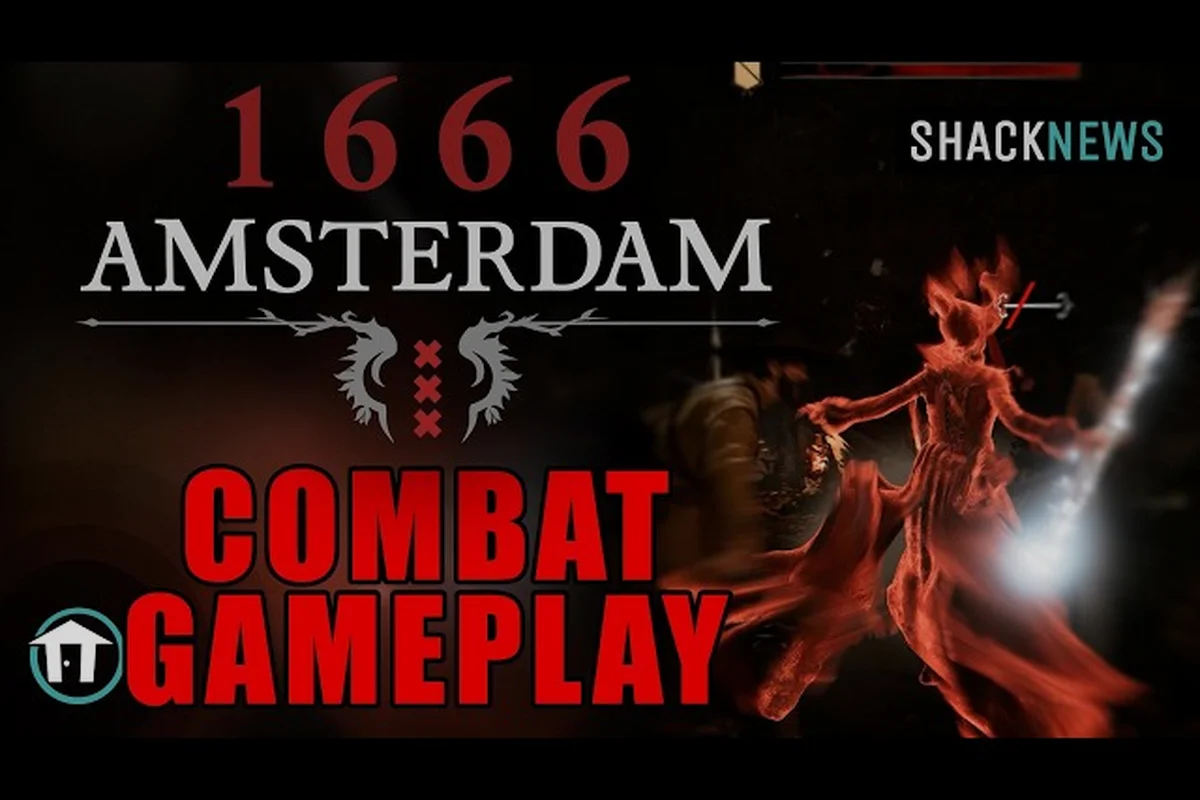
1666: Amsterdam combat guide — magic, stealth & cat tactics
Master 1666 Amsterdam combat with witchcraft, stealth, and Aaron feline abilities. Learn when to cast spells and when to strike in the Esbat.
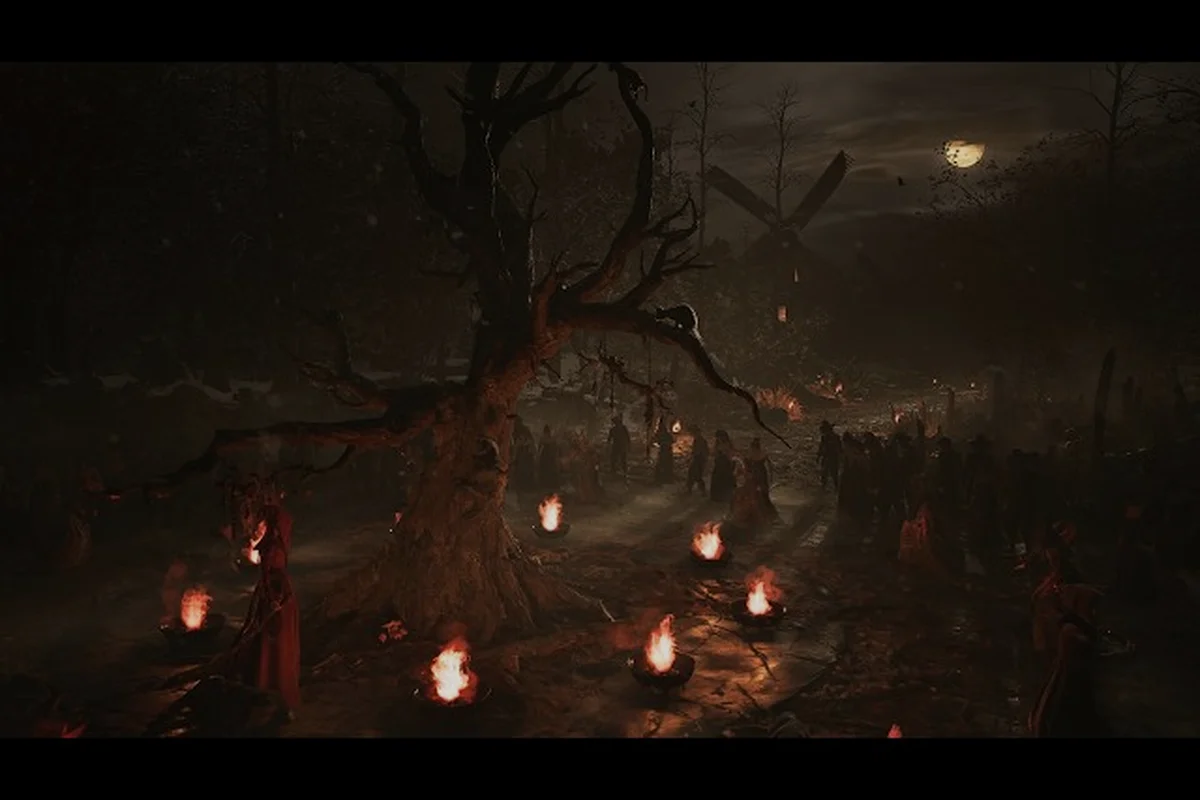
1666: Amsterdam dodge guide — perfect parry timing windows
Perfect your 1666 Amsterdam dodge and parry timing to avoid damage and counterattack. Learn the exact windows for magic combat and how to chain dodges.
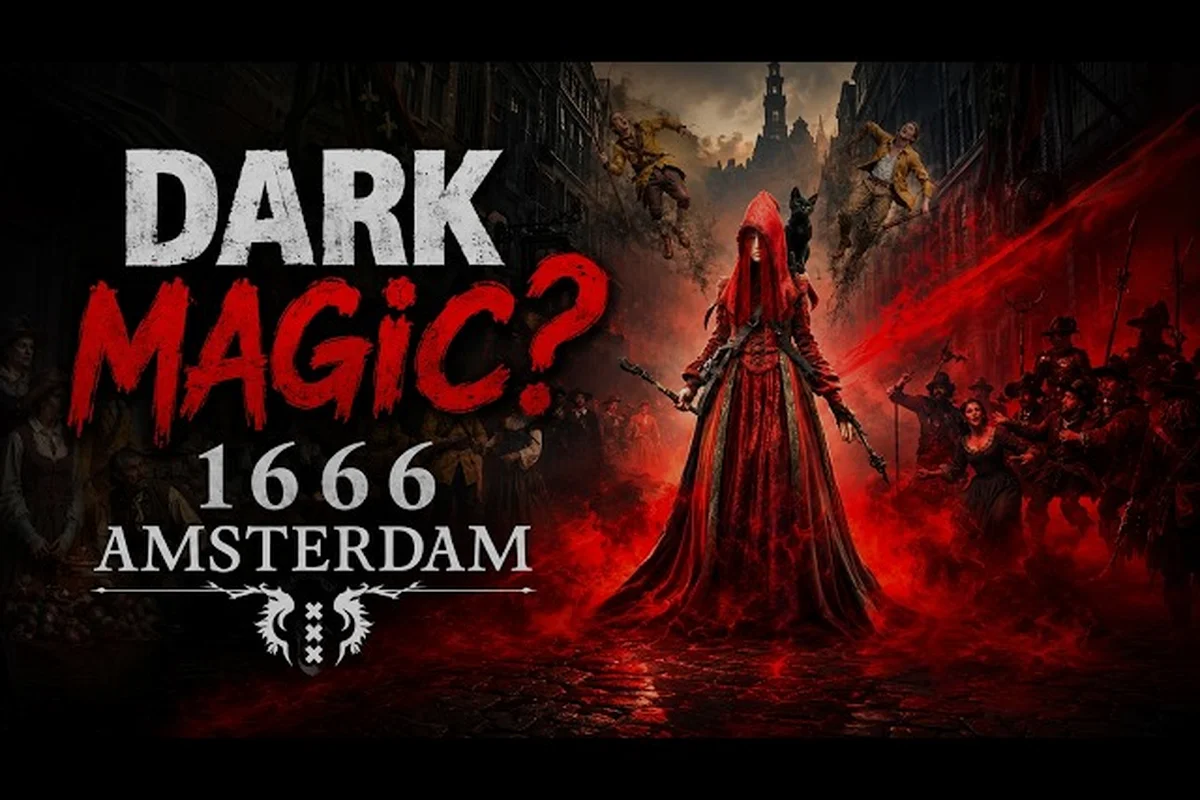
1666: Amsterdam night combat — survive the Esbat demons
Survive 1666 Amsterdam night combat with tactics for every demon and Original. Learn the best weapons, spell combos, and stealth routes to dominate after dark.
All Articles
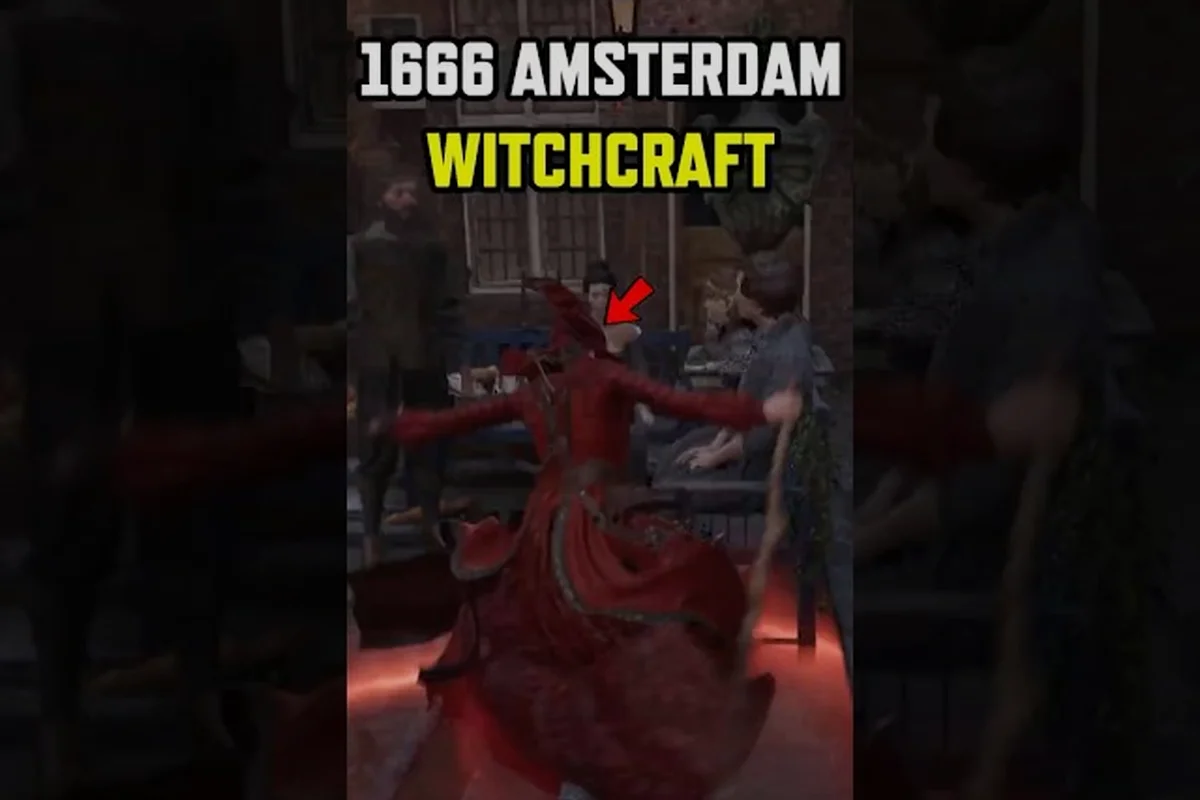
1666: Amsterdam combat abilities — strongest powers
Rank the 1666 Amsterdam combat abilities from strongest to weakest. Discover which witchcraft powers and attacks give you the edge in the prologue's toughest.

1666: Amsterdam how combat works — dodge, parry, cast
Understand 1666 Amsterdam how combat works: magic timing, dodging, and companion synergy. Learn how to beat Originals and demons in the Esbat with proven.
1666: Amsterdam spells list — best magic abilities ranked
Explore the 1666 Amsterdam spells list with every magic ability ranked by damage, cooldown, and utility. Build the strongest loadout for night combat against.

1666: Amsterdam enemy guide — every demon type & weakness
Identify all 1666 Amsterdam enemy types and their weaknesses. This guide breaks down demon behaviors and the best combat strategies to survive every night.