
Gameplay
1666: Amsterdam gameplay explained — the investigation loop by day, uncovering Originals at night, the Esbat confrontations and switching between Noa and Aaron.
Introduction
Gameplay in 1666: Amsterdam revolves around a day-and-night loop that fuses investigation with confrontation. By day, Noa explores a handcrafted Amsterdam — walking the canals, reading gablestones, talking to citizens and gathering the clues that reveal which faces belong to Originals. At night, the Esbat comes, and the entities she identified and marked are forced into their true form for confrontation. Layered on top is the dual-hero system: Noa fights with generations of Zaindaris witchcraft, while Aaron, the cat from 1999, offers a completely different way to move through the world. Because the game reaches Early Access on August 25, 2026, our gameplay pages document confirmed systems and clearly mark what is still based on pre-launch information.
Core Systems Overview
| System | Phase | Role |
|---|---|---|
| Investigation | Day | Explore and gather clues |
| Marking | Day | Identify suspected Originals |
| The Esbat | Night | Confront true forms |
| Dual Hero Switch | Both | Noa and Aaron playstyles |
| Multi-Approach | Both | Choice and timing matter |
Gameplay Systems
Day Investigation
The daytime half of the loop — exploring handcrafted Amsterdam, studying gablestones, watching citizens and gathering the clues that reveal who is hiding an Original's true nature.
Marking
The act of committing to a suspicion — identifying a citizen as an Original and marking them for the Esbat. It is the bridge between investigation and confrontation.
The Esbat
The full-moon ritual when marked Originals are forced into their true form. The payoff of investigation — a confrontation where strategy and timing decide the outcome.
Dual Hero Switch
Switching between Noa's witchcraft and Aaron's cat perspective. Each hero brings different tools, routes and approaches, giving every encounter potential alternate solutions.
Multi-Approach Targets
Every target in 1666: Amsterdam can be approached multiple ways. Strategy, timing and choice define how each encounter unfolds, rewarding experimentation and replay.
Core Mechanics
The core gameplay mechanics of 1666: Amsterdam are built around investigation, identification and confrontation. Investigation happens by day: you explore the city, study gablestones and watch citizens for signs that an Original is hiding behind a human face. Identification is the act of marking a suspect — turning a hunch into a commitment. Confrontation happens at the Esbat, when marked Originals reveal their true form. The dual-hero switch sits across all of it: Noa's witchcraft handles the mystical side of each encounter, while Aaron's cat perspective opens alternative routes and approaches. Each target can be approached multiple ways, so strategy, timing and choice are the levers that define how every encounter plays out.
Advantages
Understanding the gameplay loop before the Early Access launch gives you a real head start. The day-and-night structure means you always know what phase you are in and what it demands — calm investigation during the day, high-stakes confrontation at the Esbat. Knowing how marking works means you can be deliberate rather than impulsive with your suspicions, and knowing the dual-hero switch means you will not be surprised when the game asks you to play as Aaron. The official feature videos also confirm the emphasis on choice: every target can be approached multiple ways, so the same encounter can feel very different depending on your strategy. For newcomers, learning the loop in the free prologue is the best possible preparation.
Challenges
The main limitation of 1666: Amsterdam gameplay coverage is the same one that colors everything about the game: it is not fully released. Early Access begins August 25, 2026, and the confirmed details come from the free prologue, official feature videos and media previews. Combat depth, the full investigation sandbox, enemy variety and progression systems are only partially shown, and mechanics may be refined during Early Access. Community feedback on the prologue also notes it is a narrative teaser rather than a systems showcase, so hands-on knowledge of the deeper loop is still limited. Our gameplay pages separate confirmed systems from pre-launch expectations and will be updated as the campaign evolves.
Frequently Asked Questions
How does the day and night loop work in 1666: Amsterdam?+
What does it mean to mark a target?+
How do Noa and Aaron differ in gameplay?+
Quick Tips
Treat the day phase as preparation, not filler. Every clue you gather, every citizen you watch and every gablestone you read feeds directly into what happens at the Esbat. Players who rush the investigation often end up under-prepared for the confrontation that follows, so slow down, explore the handcrafted Amsterdam and read the city carefully.
Be deliberate with your markings. Marking a suspect is a commitment that pays off at the Esbat, and the game encourages you to be sure before you commit. Use the clues — gablestones especially — to confirm a suspicion rather than acting on impulse, because a wrong mark wastes a valuable confrontation.
Practice switching between Noa and Aaron in the prologue. The dual-hero system is the game's signature mechanic, and each hero opens different routes and approaches to the same situation. The more comfortable you are swapping between witchcraft and four-pawed agility before Early Access, the smoother the full campaign will feel.
Featured
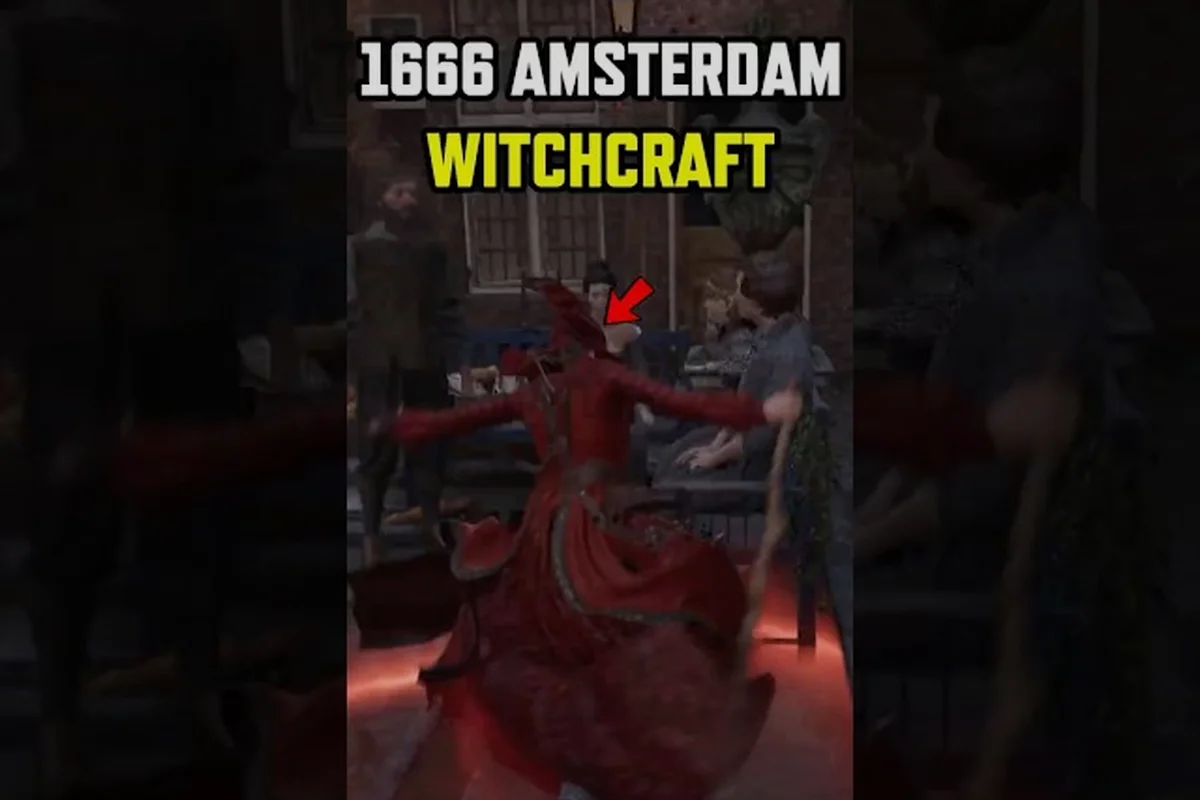
1666: Amsterdam gameplay — day night cycle explained
Master 1666 Amsterdam gameplay with the day night cycle explained: investigate by daylight, switch to Aaron for stealth, and confront demons when darkness.

1666: Amsterdam sandbox gameplay — how long to beat & loop
Understand 1666 Amsterdam sandbox gameplay loop: investigate by day, confront demons at night, and see how long to beat the 30-minute prologue before Early.

1666: Amsterdam core gameplay — cat abilities & dual
Discover 1666 Amsterdam core gameplay: how to play as Aaron the cat, switch between dual protagonists, and use feline stealth to complement Noa's witch powers.
All Articles
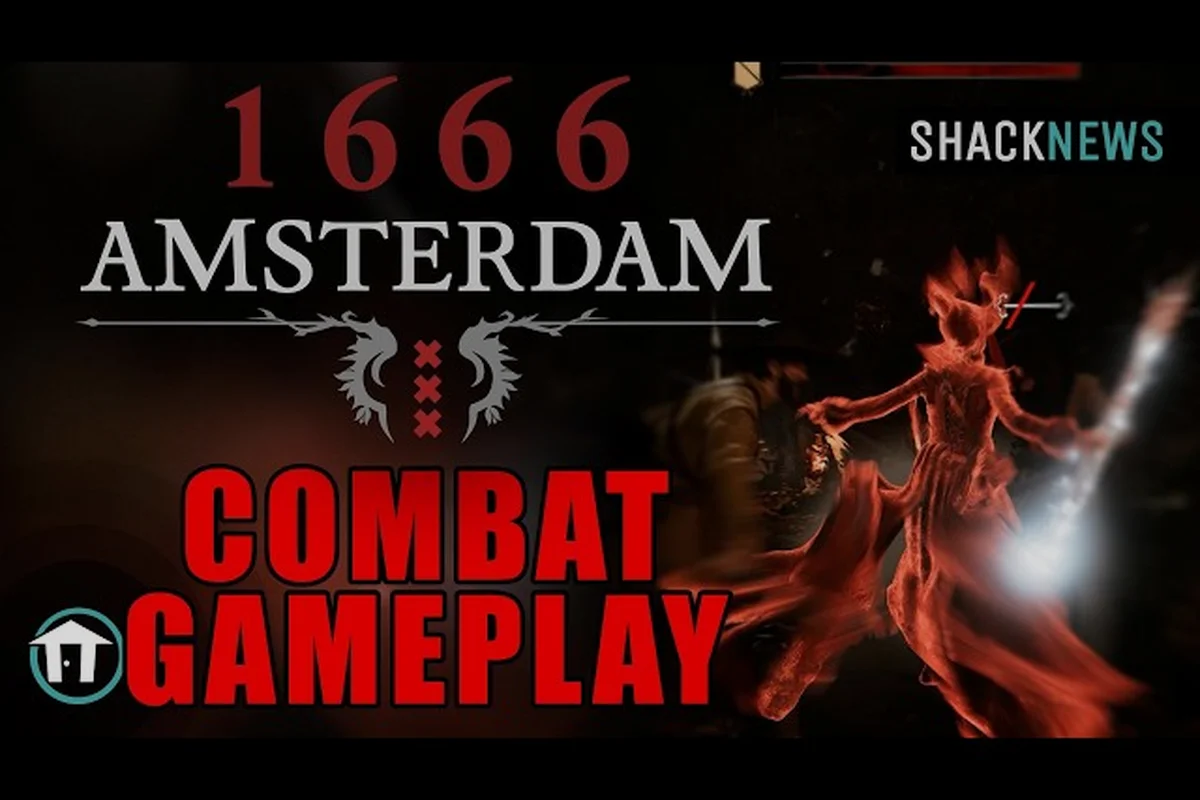
1666: Amsterdam game length — prologue, NG+ & replayability
Discover 1666 Amsterdam game length: the prologue runs about 30 minutes, but New Game Plus, difficulty settings, and photo mode stretch replayability far.
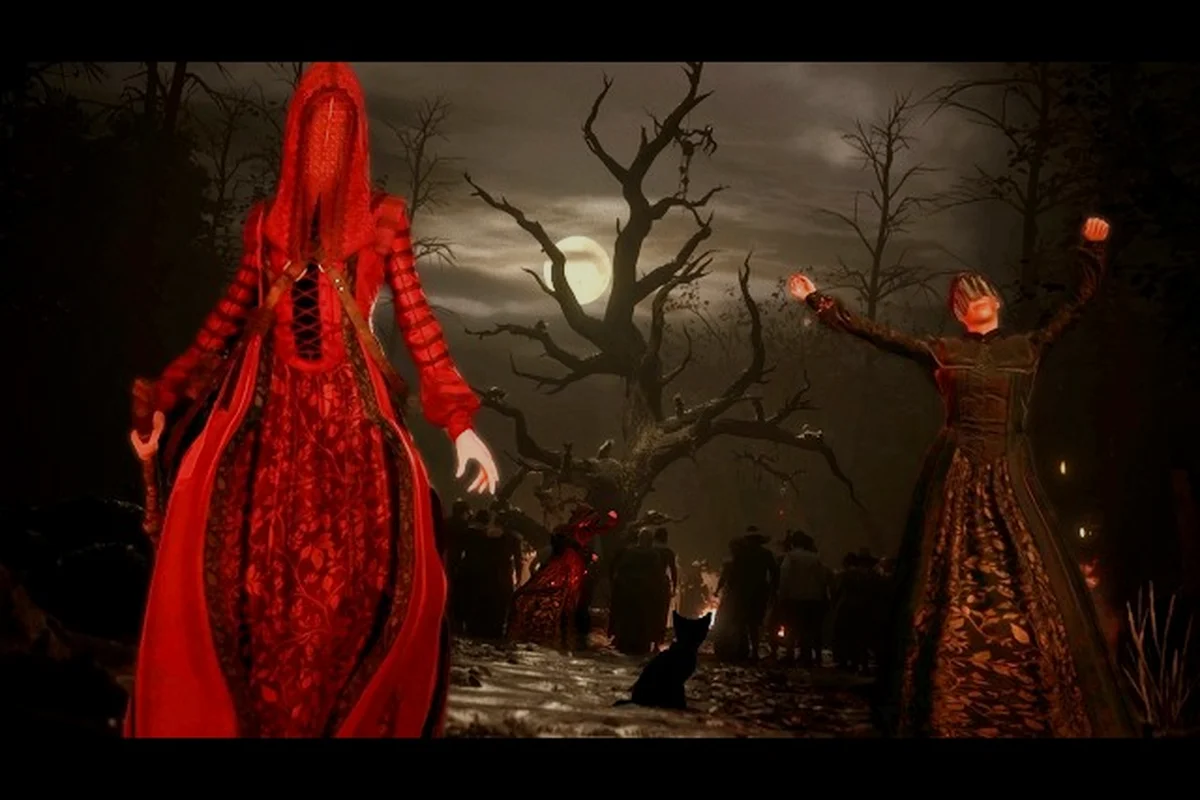
1666: Amsterdam marking system — stealth & open-world
Learn 1666 Amsterdam marking system for stealth takedowns, plus open world exploration and free roam tips that help you track enemies and survive night.

1666: Amsterdam skill tree — spells, crafting & inventory
Navigate 1666 Amsterdam skill tree with spell system breakdowns, crafting recipes, inventory management, and collectible locations that boost Noa's combat.

1666: Amsterdam choices matter — progression & skill systems
Find out if 1666 Amsterdam choices matter with a mechanics overview of decision gameplay, progression systems, upgrades, and how your picks shape the prologue.