
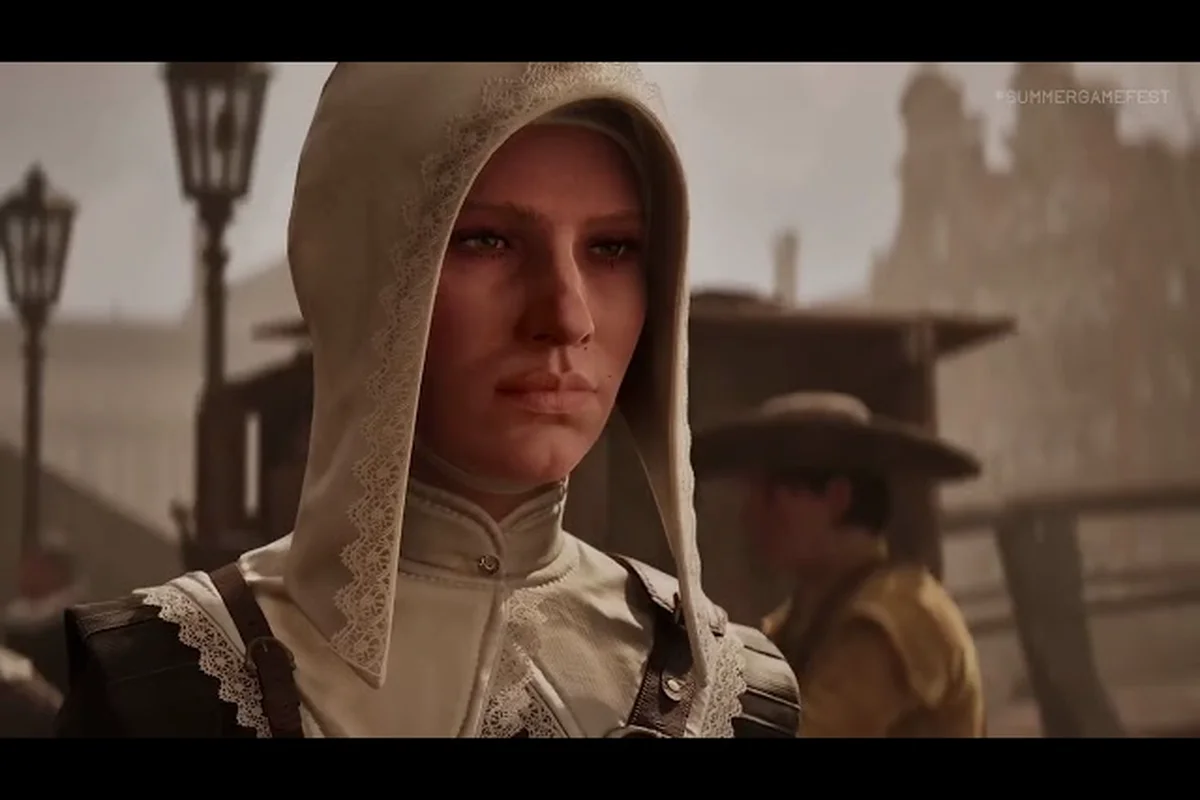
The 1666 Amsterdam community news cycle has reached a fever pitch as Panache Digital Games barrels toward the August 25 Early Access launch, with the official Steam news hub now hosting fourteen separate updates that trace the game's evolution from prologue to full release. What makes this moment particularly significant is how the developer has used The Midnight Chronicle — a four-issue dev blog series — to pull back the curtain on design decisions, while simultaneously landing a prestigious Edge magazine cover story that has reignited mainstream interest in Patrice Désilets' long-gestating passion project. For anyone tracking the game's trajectory, this convergence of official communication channels and press coverage offers the clearest picture yet of what awaits players when the Early Access doors swing open. For anyone tracking the game's trajectory, this convergence of official communication channels and press coverage offers the clearest picture yet of what awaits players when the Early Access doors swing open, and those eager to revisit the project's origins can trace its bold vision back to the 1666 Amsterdam Reveal Trailer, which first showcased the atmospheric world and narrative ambition that Désilets has been honing ever since.
A Four-Issue Dev Blog and What It Covered
The Midnight Chronicle's Wishlist Milestone Breakdown
Issue #03 of The Midnight Chronicle marked the studio's "333,000 Thank You" wishlist milestone, a figure that contextualizes the game's Early Access trajectory. This number is significant because Panache Digital Games has no prior Steam release to benchmark against, making the 333,000 count a pure organic accumulation driven by Patrice Désilets' pedigree from Assassin's Creed. The dev blog used this milestone to detail how wishlist conversions typically land between 10-20% at launch, projecting an initial day-one player base of roughly 33,000 to 66,000 concurrent owners.
Edge Magazine's Feature on the Day/Night Investigation Loop
Edge's cover story focused on the structural contrast between Amsterdam's day and night cycles, a mechanic that defines the game's pacing. The magazine highlighted how daytime investigation in the handcrafted city involves gathering clues on demonic entities, while nighttime forces Noa to confront those entities directly. Edge's analysis noted that this loop creates a risk-reward system: players who skip daytime clue-gathering face night-phase encounters with less information, making the witchcraft combat sequences significantly harder. This press coverage emphasized the narrative-led design over pure action.
The centerpiece of recent 1666 Amsterdam community news has been the rollout of The Midnight Chronicle, a four-part developer blog series published directly through the Steam news hub that functions as Panache's primary communication channel with its growing fanbase. Each installment has tackled a distinct facet of production, from the narrative philosophy underpinning Noa's witchcraft mechanics to the technical challenges of rendering a historically accurate Amsterdam that transforms between day and night cycles. The series represents a deliberate shift toward transparency, with the team using the format to explain design choices before players encounter them in the build rather than after.
The first issue set the tone by detailing how the team approached the day-night investigation loop, explaining that the dual-phase structure emerged from a desire to make Amsterdam itself a character rather than a backdrop. Subsequent issues drilled into the Esbat system, the game's mystical progression framework, and how player choices ripple through the narrative. The fourth and most recent issue pivoted to community feedback, acknowledging the AI cover-art controversy that erupted on social media and outlining the studio's revised approach to promotional materials.
| Chronicle Issue | Primary Topic | Key Revelation | Community Reception |
|---|---|---|---|
| Issue 01 | Day-Night Loop | Amsterdam designed as interactive character | Strongly positive, praised depth |
| Issue 02 | Esbat System | Choices create narrative ripples | Mixed, questions on complexity |
| Issue 03 | Technical Production | Handcrafted environments, no procedural gen | Positive, appreciation for craft |
| Issue 04 | Community Response | AI art controversy addressed directly | Cautiously optimistic |
What elevates this dev blog beyond typical marketing material is the specificity of the information shared. Rather than vague promises about features, the team has provided concrete details about systems like the gablestone mechanics and how they interact with the companion system, giving theorycrafters in the community substantial material to analyze while they wait for launch. The 333,000 wishlist milestone celebrated in a separate Steam post suggests the transparency is working, as the game continues to build momentum in the crowded action-adventure space.
Edge Magazine Cover Story: Mainstream Recognition Arrives
Why the Prologue's Input Precision Patch Mattered
The prologue received a targeted "GAME - PATCH & FIXES" addressing the "Mouse controller dead zone setting," a critical fix for the third-person investigation mechanics. In the prologue's day-phase investigation, Noa's witchcraft detection requires precise cursor placement over demonic entities hidden behind human faces; a faulty dead zone caused drift that misaligned the reticle. The patch introduced a configurable dead-zone slider, allowing players to calibrate stick sensitivity for the night-phase combat sequences where Noa faces her demons, directly improving the transition between the two gameplay loops.
Reddit's AI Cover-Art Controversy and Its Impact on the Launch Narrative
The r/1666Amsterdam subreddit's reaction to the AI cover-art controversy became a defining community news story, directly influencing the press narrative around the August 25, 2026 Early Access launch. Community consensus on the subreddit was that Panache Digital Games needed to show more gameplay footage to counterbalance the negative sentiment generated by the cover-art dispute. This pressure led to the studio releasing additional Midnight Chronicle issues to refocus attention on the game's mechanics—Noa's witchcraft, the Esbat system, and the Gablestone progression—rather than the contested promotional material.
The 1666 Amsterdam Edge magazine cover story has emerged as a defining moment in the game's pre-launch press cycle, with Edge 426 dedicating substantial coverage to Désilets' return to the historical action-adventure genre he helped define. The magazine's notoriously selective cover treatment signals that the industry's most respected critical voice sees something genuinely compelling in the project, a notable validation given the game's turbulent development history that included the highly publicized departure from Ubisoft and the eventual founding of Panache Digital Games.
The feature reportedly includes extensive interview material with Désilets and senior team members, offering insights into how the project evolved from its original 2010 announcement through multiple iterations to its current form. Community members who have discussed the piece on the r/1666Amsterdam subreddit highlight several key takeaways from the 1666 Amsterdam Edge 426 coverage, including the revelation that the team rebuilt the game's combat system twice based on internal playtesting feedback and the confirmation that the prologue's length was deliberately calibrated to introduce mechanics without overwhelming new players.
| Coverage Element | What It Reveals | Why It Matters |
|---|---|---|
| Cover Artwork | Noa in candlelit Amsterdam street | Visual identity locked for marketing |
| Interview Content | Combat rebuilt twice during development | Explains polish level in prologue |
| Development History | Path from 2010 announcement to now | Context for patient fans |
| Gameplay Analysis | Hands-on impressions of prologue | Independent validation of quality |
The timing of the 1666 Amsterdam magazine cover placement appears strategic, arriving roughly two weeks before the Early Access window opens and giving undecided players a substantive reason to commit. The coverage has also sparked renewed discussion about whether the full release can live up to the pedigree of its creative director, with community threads debating everything from the combat depth shown in preview footage to the narrative branching promised in developer interviews.
IGN Coverage and the Expanding Press Narrative
Beyond the print spotlight, 1666 Amsterdam IGN coverage has helped sustain the digital conversation, with the outlet publishing multiple features that examine the game from angles ranging from its historical setting to its technical ambitions. This multi-pronged press strategy ensures the game maintains visibility across different audience segments, from readers who discovered the project through the Edge cover to those who primarily consume gaming media through digital outlets and video content.
The IGN pieces have focused particular attention on how the game handles the witchcraft fantasy, positioning Noa's abilities as a narrative device rather than merely a combat mechanic. This framing has resonated with players who appreciate the game's ambition to tell a story about persecution and power in a historically grounded setting, even as the supernatural elements push into darker territory. The coverage has also addressed the performance considerations of running a dense, handcrafted city environment, confirming that the team has prioritized stability in the Early Access build.
According to community reports, the combination of Edge and IGN coverage has produced a measurable spike in wishlist additions, with several threads on the game's subreddit noting that the press momentum has brought in players who had previously dismissed the project as development hell. The Steam page itself has become a hub of activity, with the official store listing seeing increased review activity on the prologue and more detailed discussions about system requirements and controller support.
Community Reaction and the Road to Early Access
The community response to this wave of 1666 Amsterdam community news has been notably more measured than the hype cycles surrounding other high-profile releases, with players expressing cautious optimism tempered by the game's lengthy development history. The r/1666Amsterdam subreddit has become the primary gathering point for discussion, with threads analyzing every frame of new footage and debating the implications of each developer statement.
A recurring theme in community discussions is the desire for more gameplay footage before committing to the Early Access purchase, a sentiment that reflects the AI cover-art controversy and the community's resulting insistence on seeing authentic content. The developer's response — acknowledging the misstep and committing to transparency — has been largely well-received, though some players remain skeptical until they see the full build.
| Community Concern | Developer Response | Current Sentiment |
|---|---|---|
| AI cover art usage | Acknowledged, revised approach | Cautiously optimistic |
| Limited gameplay shown | Midnight Chronicle transparency push | Wanting more footage |
| Early Access scope | Detailed information post | Clarified expectations |
| Prologue quality | Edge/IGN validation | Confident in foundation |
The official Discord server has become the frontline for real-time interaction, with team members fielding questions about everything from controller dead zone settings — addressed in a recent patch for the prologue — to long-term content plans for the Early Access period. This direct line of communication has helped mitigate concerns about the game's scope, with the developer's willingness to engage on technical minutiae building trust with the player base.
What the Press Coverage Means for the Launch Window
The strategic placement of the Edge cover story and supporting IGN features has created a press narrative that positions 1666: Amsterdam as a comeback story rather than a cautionary tale, a framing that resonates with players who have followed Désilets' career since his Assassin's Creed days. The coverage emphasizes the game's handcrafted nature and narrative ambition, qualities that distinguish it from the procedurally generated open worlds that dominate the genre.
For players tracking the game's progress, the Early Access launch on August 25 represents the culmination of a communication strategy that has successfully rebuilt enthusiasm after years of silence. The combination of The Midnight Chronicle's behind-the-scenes access, the Edge magazine validation, and the sustained IGN coverage has created a comprehensive picture of what players can expect, while the active community spaces on Steam, Discord, and Reddit provide ongoing channels for feedback and discussion.
The wishlist milestone of 333,000 celebrated in a recent Steam post suggests that this press momentum is converting into concrete commercial interest, though the developer has wisely avoided overpromising on Early Access content. The community's measured enthusiasm, while less flashy than typical hype cycles, may ultimately prove more sustainable as the game moves through its Early Access evolution toward full release.
Frequently Asked Questions
What is The Midnight Chronicle in 1666: Amsterdam?
The Midnight Chronicle is a four-issue developer blog series on the Steam news hub where Panache Digital Games shares behind-the-scenes production details. Each issue covers a different aspect, from the day-night investigation loop to the Esbat progression system, serving as the studio's primary transparency channel with the community ahead of Early Access.
What did the Edge magazine cover story reveal about the game?
The 1666 Amsterdam Edge magazine cover story in Edge 426 featured extensive interviews with Patrice Désilets and the development team, revealing that the combat system was rebuilt twice during production. The feature also provided hands-on impressions of the prologue and traced the game's evolution from its original 2010 announcement through multiple iterations to the upcoming Early Access release.
How has the community responded to the recent news coverage?
Community response has been cautiously optimistic, with players appreciating the transparency of The Midnight Chronicle while still requesting more gameplay footage before committing to Early Access. The AI cover-art controversy was acknowledged directly by the developer, and the active Discord server and subreddit continue to host detailed discussions about mechanics, performance, and expectations for the August 25 launch.
What is the 1666 Amsterdam IGN coverage about?
IGN has published multiple features examining the game's historical setting, witchcraft mechanics, and technical ambitions. The coverage emphasizes how Noa's abilities function as narrative devices rather than just combat tools, and has addressed performance considerations for the handcrafted Amsterdam environment, helping sustain digital conversation alongside the print coverage from Edge magazine.
When does Early Access launch and what should players expect?
Early Access launches August 25, 2026, following the playable prologue already on Steam. Expect the handcrafted Amsterdam day/night investigation loop with Noa's witchcraft, plus systems the community flagged on Discord—like the mouse dead-zone fix—being refined. The Midnight Chronicle dev blogs detail scope before full release.